
When Le Corbusier painted Eileen Gray's E-1027
Eileen Gray designed a modernist villa on the French Riviera. Every detail was considered. Then, Le Corbusier painted eight murals directly onto the house's white walls. He did not ask permission.
When Le Corbusier painted Eileen Gray's E-1027
The house
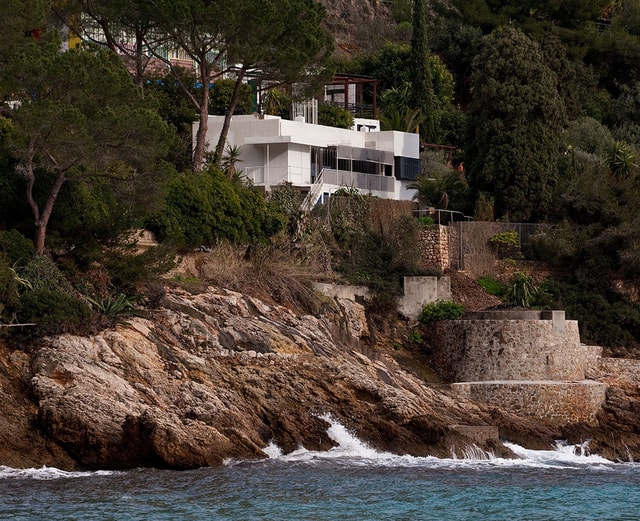
Gray completed E-1027 in 1929, designed for her partner Jean Badovici. The name was a code: E for Eileen, 10 for J (Jean), 2 for B (Badovici), 7 for G (Gray). She conceived it as a total work, not just the structure, but every element of how one would live within it.
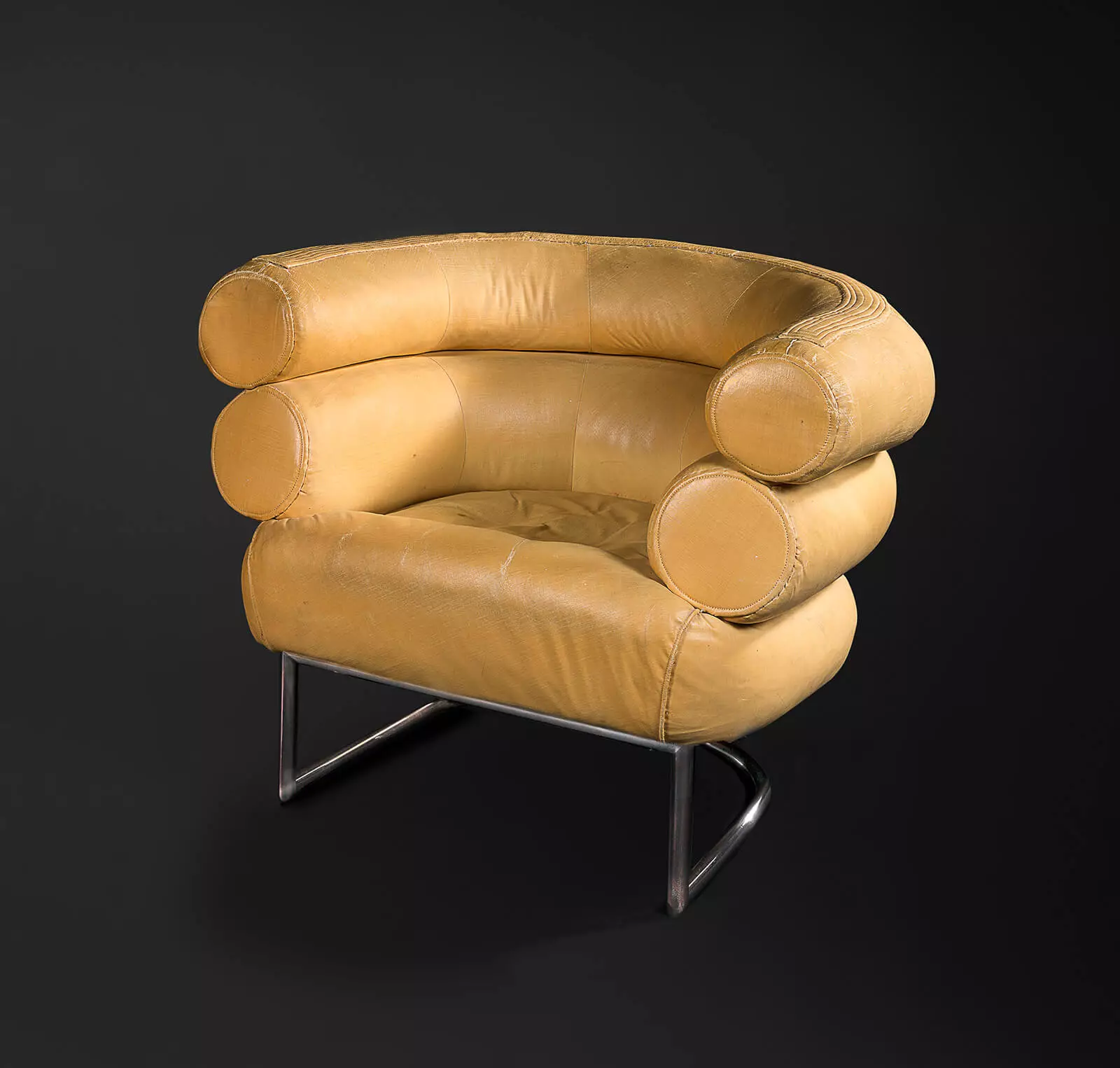
The house represented a particular approach to modernism. Where Le Corbusier's famous dictum proclaimed "the house is a machine for living," Gray's architecture emphasized adaptability. Her furniture was designed to move and transform. Spaces could be reconfigured according to changing needs. The approach was equally modern but reflected different priorities about how people actually inhabit buildings.
Gray had no formal architectural training. She came to architecture through furniture design and lacquer work, a path that perhaps freed her from certain orthodoxies that constrained her formally educated contemporaries.
The intervention
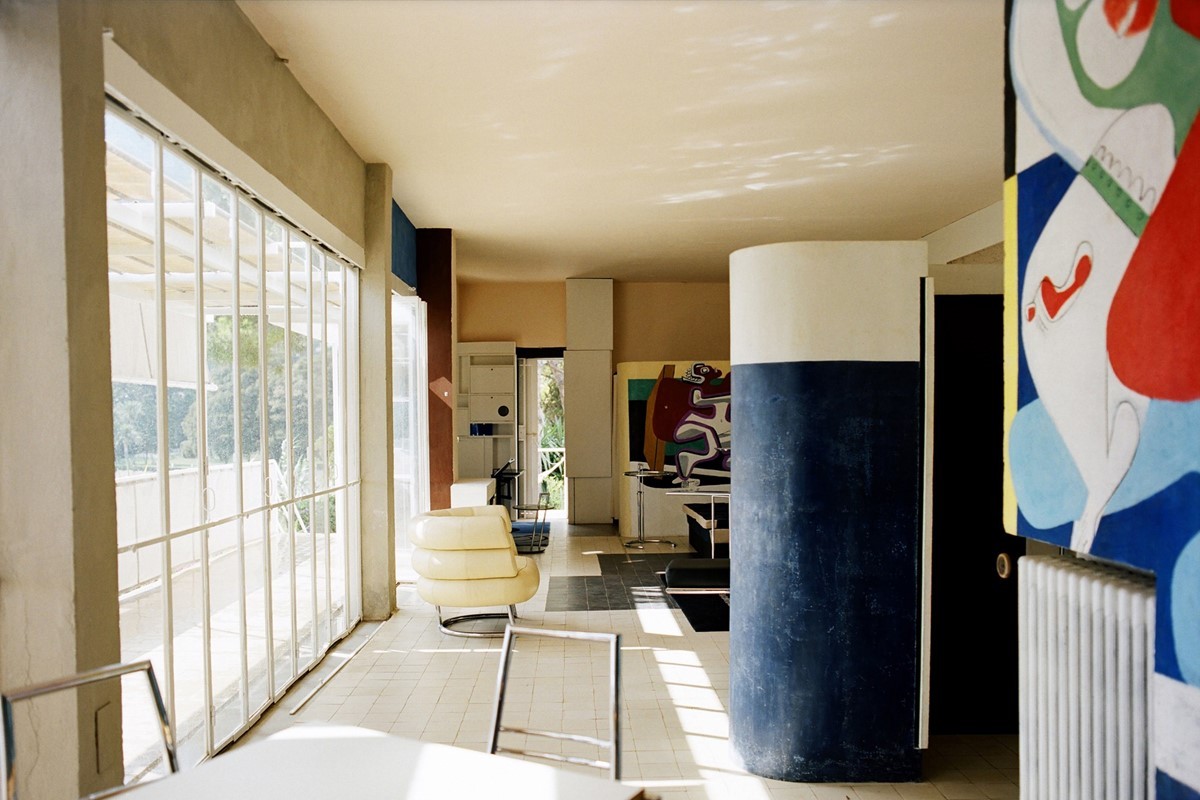
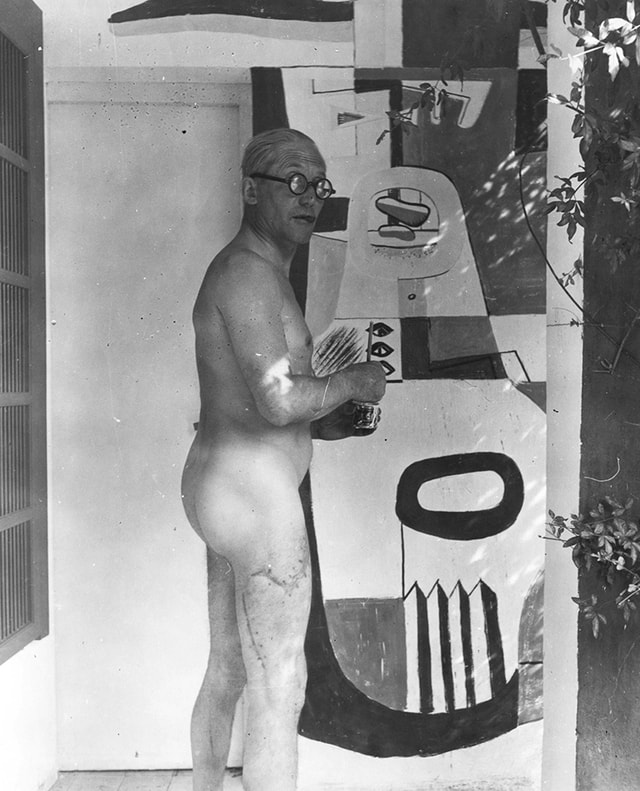
In 1938, Le Corbusier began painting murals on E-1027's interior walls. He added more in 1939, eventually creating eight murals throughout the house. He later described this as an artistic contribution, an enhancement of the space.
Yet that same year, 1938, Le Corbusier had written to Gray after spending several days in E-1027 with Badovici: "I am so happy to tell you how much those few days spent in your house have made me appreciate the rare spirit which has dictated all the dispositions, inside and outside, and given to the modern furniture, the equipment, such dignified form, so charming, so full of spirit."
Gray had designed those white surfaces deliberately. They were part of a sophisticated spatial strategy, surfaces that reflected Mediterranean light, that created specific relationships between interior and exterior, that allowed her furniture and architectural details to read clearly.
The murals fundamentally altered these relationships. They imposed a different aesthetic logic onto spaces that had been carefully calibrated according to other principles. And Le Corbusier understood exactly what he was doing. Six years earlier, in a 1932 letter to Vladimir Nekrassov, he had written explicitly about the mural's role in architecture: "I admit the mural not to enhance a wall, but on the contrary, as a means to violently destroy the wall, to remove from it all sense of stability, of weight."
The contradiction is stark, praising Gray's "rare spirit" while simultaneously deploying murals as weapons to "violently destroy" the very walls she had so carefully conceived.
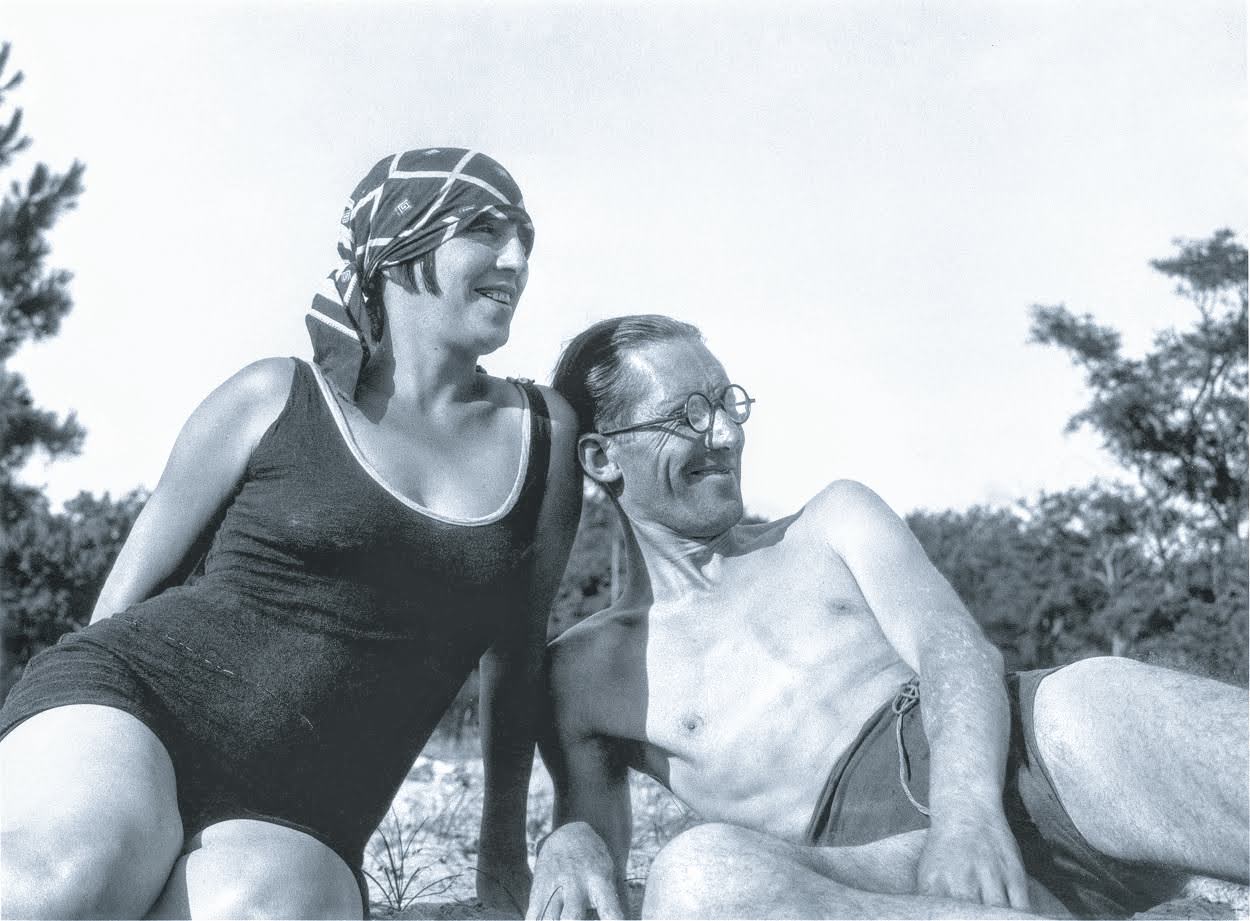
The attribution problem
For decades, E-1027 was frequently attributed to Badovici, Gray's male partner, or discussed primarily in relation to Le Corbusier's murals. Gray's authorship was often minimized or questioned.
This was not unique to E-1027. Throughout the early 20th century, women architects routinely saw their work attributed to male collaborators or dismissed entirely. Gray was one of perhaps a handful of women practicing architecture at that level in the 1920s and 1930s. The professional structures of the time made independent recognition extremely difficult.
In 1952, Gray addressed the murals in a letter to Badovici, making clear her opposition to the unauthorized interventions.
The physical proximity
In 1952, Le Corbusier built his own structure—a small cabin called the Cabanon—adjacent to E-1027. He spent subsequent summers there, swimming in the cove below Gray's house. In 1965, he drowned in those waters.
The proximity of these two structures creates an unusual architectural situation. They represent fundamentally different approaches to modernism, built by architects with very different philosophies, existing side by side on the same dramatic coastline.